Introduction:
Tracking sales performance is crucial for businesses to evaluate their sales team’s effectiveness and identify areas for improvement. One effective tool for this purpose is Customer Relationship Management (CRM) software. CRM software provides businesses with a centralized platform to manage customer interactions, sales activities, and track sales performance metrics. In this article, we will explore how CRM software can be used to track sales performance, enabling businesses to make data-driven decisions and optimize their sales strategies.
Benefits of Using CRM Software for Sales Performance Tracking
Are you looking for a way to track your sales performance more effectively? Look no further than CRM software! CRM, or Customer Relationship Management, software is a powerful tool that can help you streamline your sales process and improve your overall performance. In this article, we will explore the benefits of using CRM software for sales performance tracking.
One of the key benefits of using CRM software for sales performance tracking is the ability to centralize all your sales data in one place. With CRM software, you can easily store and access information about your leads, prospects, and customers. This means that you no longer have to waste time searching through multiple spreadsheets or email threads to find the information you need. Instead, you can simply log into your CRM software and find everything you need in one convenient location.
Another benefit of using CRM software for sales performance tracking is the ability to track and analyze your sales data in real-time. With CRM software, you can generate reports and dashboards that provide you with valuable insights into your sales performance. You can see which sales reps are performing well and which ones may need additional support or training. You can also track the progress of your sales pipeline and identify any bottlenecks or areas for improvement. By having access to this real-time data, you can make more informed decisions and take proactive steps to improve your sales performance.
CRM software also offers the benefit of automation. With CRM software, you can automate repetitive tasks such as data entry, follow-up emails, and appointment scheduling. This not only saves you time but also ensures that nothing falls through the cracks. For example, if a lead expresses interest in your product or service, your CRM software can automatically send them a follow-up email with more information. This helps to nurture the lead and move them further down the sales funnel without any manual intervention.
In addition to automation, CRM software also enables collaboration among your sales team. With CRM software, you can easily share information and communicate with your team members. You can assign tasks, set reminders, and track progress all within the CRM software. This fosters a sense of teamwork and ensures that everyone is on the same page when it comes to sales performance tracking. By working together, you can identify areas for improvement and implement strategies to boost your overall sales performance.
Lastly, CRM software offers the benefit of scalability. Whether you are a small startup or a large enterprise, CRM software can grow with your business. As your sales team expands and your customer base grows, CRM software can accommodate your needs. You can add new users, customize fields and workflows, and integrate with other tools and systems. This flexibility ensures that your sales performance tracking remains effective and efficient as your business evolves.
In conclusion, CRM software is a valuable tool for tracking sales performance. It centralizes your sales data, provides real-time insights, automates repetitive tasks, fosters collaboration, and scales with your business. By leveraging the benefits of CRM software, you can improve your sales performance and achieve greater success. So why wait? Start using CRM software today and take your sales performance tracking to the next level!
Key Metrics to Track Sales Performance with CRM Software
Sales performance is a crucial aspect of any business. After all, the success of a company often hinges on its ability to generate revenue. In order to effectively track sales performance, many businesses turn to Customer Relationship Management (CRM) software. This powerful tool not only helps businesses manage their customer relationships, but it also provides valuable insights into sales performance. By tracking key metrics with CRM software, businesses can gain a deeper understanding of their sales process and make data-driven decisions to improve performance.
One of the key metrics that businesses can track with CRM software is lead conversion rate. This metric measures the percentage of leads that are successfully converted into paying customers. By tracking this metric, businesses can identify areas of improvement in their sales process. For example, if the lead conversion rate is low, it may indicate that the sales team needs additional training or that the marketing team needs to refine their lead generation strategies. By making adjustments based on this metric, businesses can increase their conversion rate and ultimately boost sales.
Another important metric to track with CRM software is the average deal size. This metric measures the average value of each sale. By tracking this metric, businesses can identify trends in their sales process. For example, if the average deal size is increasing over time, it may indicate that the sales team is effectively upselling or cross-selling to customers. On the other hand, if the average deal size is decreasing, it may indicate that the sales team is discounting too heavily or that customers are opting for lower-priced products. By monitoring this metric, businesses can make informed decisions to maximize their revenue.
In addition to lead conversion rate and average deal size, businesses can also track the sales cycle length with CRM software. This metric measures the amount of time it takes for a lead to progress through the sales process and become a customer. By tracking this metric, businesses can identify bottlenecks in their sales process and take steps to streamline it. For example, if the sales cycle length is longer than average, it may indicate that the sales team is spending too much time on unqualified leads. By focusing their efforts on high-quality leads, businesses can shorten the sales cycle and close deals more efficiently.
Furthermore, businesses can track the win rate with CRM software. This metric measures the percentage of deals that are successfully closed. By tracking this metric, businesses can assess the effectiveness of their sales team and identify areas for improvement. For example, if the win rate is low, it may indicate that the sales team needs additional training or that the pricing strategy needs to be adjusted. By making data-driven decisions based on this metric, businesses can increase their win rate and ultimately drive more revenue.
In conclusion, tracking key metrics with CRM software is essential for businesses looking to improve their sales performance. By monitoring metrics such as lead conversion rate, average deal size, sales cycle length, and win rate, businesses can gain valuable insights into their sales process and make data-driven decisions to improve performance. With CRM software, businesses can take their sales performance to the next level and achieve greater success. So, if you’re looking to boost your sales, consider implementing CRM software and start tracking these key metrics today.
Best Practices for Implementing CRM Software for Sales Performance Tracking
Are you looking for a way to track your sales performance more effectively? Look no further than CRM software! CRM, or Customer Relationship Management, software is a powerful tool that can help you streamline your sales process and keep track of your team’s performance. In this article, we will discuss the best practices for implementing CRM software for sales performance tracking.
First and foremost, it is important to choose the right CRM software for your business. There are many options available on the market, so take the time to research and find one that suits your needs. Look for a CRM software that offers features specifically designed for sales performance tracking, such as real-time reporting and analytics.
Once you have selected the right CRM software, the next step is to ensure that your team is properly trained on how to use it. This is crucial for successful implementation. Provide comprehensive training sessions and resources to help your team understand the software’s features and how to use them effectively. Encourage them to ask questions and provide ongoing support as they familiarize themselves with the software.
One of the key benefits of using CRM software for sales performance tracking is the ability to monitor and analyze data in real-time. This allows you to identify trends and patterns, and make informed decisions based on the data. Set up regular reporting and analysis sessions to review the data with your team. This will help you identify areas for improvement and develop strategies to boost sales performance.
Another best practice for implementing CRM software for sales performance tracking is to establish clear goals and metrics. Define what success looks like for your team and set measurable targets. This will help you track progress and motivate your team to achieve their goals. Regularly review and communicate these goals with your team to keep everyone focused and accountable.
In addition to tracking sales performance, CRM software can also help you improve customer relationships. Use the software to store and manage customer data, such as contact information and purchase history. This will enable you to personalize your interactions with customers and provide better service. By understanding your customers’ needs and preferences, you can tailor your sales approach and increase customer satisfaction.
Lastly, don’t forget to regularly evaluate and update your CRM software. Technology is constantly evolving, and it is important to stay up-to-date with the latest features and advancements. Regularly review your software’s performance and consider upgrading or switching to a new system if necessary. This will ensure that you are maximizing the benefits of CRM software for sales performance tracking.
In conclusion, implementing CRM software for sales performance tracking can greatly benefit your business. By choosing the right software, providing proper training, monitoring data in real-time, setting clear goals, and improving customer relationships, you can effectively track and improve your sales performance. Remember to regularly evaluate and update your CRM software to stay ahead of the game. So why wait? Start implementing CRM software today and watch your sales soar!
How to Customize CRM Software to Fit Your Sales Performance Tracking Needs
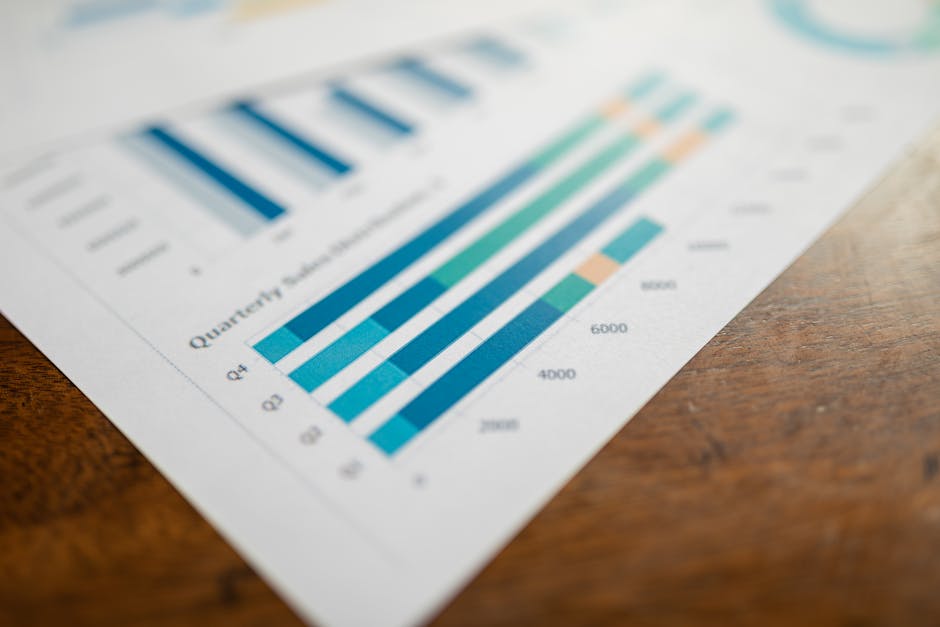
CRM software is a powerful tool that can help businesses track and manage their sales performance. However, not all CRM software is created equal, and it’s important to customize it to fit your specific tracking needs. In this article, we will explore how you can customize CRM software to effectively track your sales performance.
One of the first steps in customizing CRM software for sales performance tracking is to define your key performance indicators (KPIs). These are the metrics that you will use to measure the success of your sales team. KPIs can include things like revenue generated, number of new leads, conversion rates, and average deal size. By identifying your KPIs, you can ensure that your CRM software is set up to track and report on these metrics.
Once you have defined your KPIs, the next step is to configure your CRM software to capture the necessary data. This may involve creating custom fields or modifying existing ones to capture the specific information you need. For example, if one of your KPIs is the number of new leads generated, you may need to create a custom field to track this information. By customizing your CRM software in this way, you can ensure that you have the data you need to accurately track your sales performance.
In addition to capturing the necessary data, it’s also important to set up automated reports and dashboards in your CRM software. These reports and dashboards can provide real-time insights into your sales performance, allowing you to quickly identify trends and make informed decisions. For example, you may set up a dashboard that displays your revenue by salesperson, allowing you to easily see who is performing well and who may need additional support. By customizing your CRM software to provide these insights, you can stay on top of your sales performance and make data-driven decisions.
Another way to customize CRM software for sales performance tracking is to integrate it with other tools and systems. For example, you may want to integrate your CRM software with your email marketing platform to track the effectiveness of your email campaigns. By integrating these systems, you can easily see how many leads and sales are generated from each campaign, allowing you to optimize your marketing efforts. By customizing your CRM software in this way, you can create a seamless workflow that streamlines your sales and marketing processes.
Finally, it’s important to regularly review and analyze the data captured in your CRM software. This will allow you to identify areas of improvement and make necessary adjustments to your sales strategies. By customizing your CRM software to track your sales performance, you can gain valuable insights into your business and make data-driven decisions that will drive growth and success.
In conclusion, customizing CRM software to fit your sales performance tracking needs is essential for effectively managing and improving your sales efforts. By defining your KPIs, configuring your software to capture the necessary data, setting up automated reports and dashboards, integrating with other tools and systems, and regularly reviewing and analyzing the data, you can ensure that your CRM software is a powerful tool for tracking and improving your sales performance. So, take the time to customize your CRM software and watch your sales soar!
Integrating CRM Software with Other Sales Tools for Enhanced Performance Tracking
Are you looking for a way to track your sales performance more effectively? Look no further than CRM software! Customer Relationship Management (CRM) software is a powerful tool that can help you streamline your sales process and improve your overall performance. But did you know that you can enhance the tracking of your sales performance even further by integrating CRM software with other sales tools? In this article, we will explore how you can integrate CRM software with other sales tools to achieve enhanced performance tracking.
One of the most popular sales tools that can be integrated with CRM software is email marketing software. By integrating your CRM software with your email marketing software, you can track the effectiveness of your email campaigns and measure their impact on your sales. With this integration, you can easily see which emails are generating the most leads and conversions, allowing you to optimize your email marketing strategy for better results. Additionally, you can track the engagement of your leads with your emails, giving you valuable insights into their interests and preferences.
Another sales tool that can be integrated with CRM software is social media management software. Social media has become an essential platform for businesses to connect with their customers and generate leads. By integrating your CRM software with your social media management software, you can track the performance of your social media campaigns and measure their impact on your sales. This integration allows you to see which social media platforms are driving the most traffic and conversions, enabling you to focus your efforts on the most effective channels. Furthermore, you can track the engagement of your leads on social media, helping you understand their behavior and tailor your messaging accordingly.
In addition to email marketing and social media, CRM software can also be integrated with other sales tools such as live chat software and customer support software. By integrating these tools with your CRM software, you can track the interactions of your leads and customers in real-time. This integration allows you to monitor the conversations happening on your website and provide timely support to your customers. Moreover, you can track the satisfaction levels of your customers and identify areas for improvement in your sales process.
Integrating CRM software with other sales tools not only enhances your performance tracking but also improves your overall sales process. By centralizing all your sales data in one place, you can easily access and analyze the information you need to make informed decisions. This integration eliminates the need for manual data entry and reduces the risk of errors, saving you time and effort. Furthermore, by automating repetitive tasks, you can focus on building relationships with your customers and closing more deals.
In conclusion, integrating CRM software with other sales tools can greatly enhance your performance tracking. By integrating your CRM software with email marketing, social media management, live chat, and customer support software, you can track the effectiveness of your campaigns, measure their impact on your sales, and improve your overall sales process. So why wait? Start integrating your CRM software with other sales tools today and take your sales performance to new heights!
Common Challenges in Tracking Sales Performance with CRM Software and How to Overcome Them
Tracking sales performance is crucial for any business. It allows you to measure the effectiveness of your sales team, identify areas for improvement, and make data-driven decisions. One of the most effective tools for tracking sales performance is CRM software. However, like any technology, it comes with its own set of challenges. In this article, we will explore some common challenges in tracking sales performance with CRM software and provide tips on how to overcome them.
One of the biggest challenges in tracking sales performance with CRM software is data accuracy. Inaccurate or incomplete data can lead to misleading insights and hinder your ability to make informed decisions. To overcome this challenge, it is important to establish clear data entry guidelines and provide training to your sales team. Encourage them to enter data consistently and accurately, and regularly review and clean up your CRM database to ensure data integrity.
Another challenge is the lack of user adoption. If your sales team is not fully onboard with using the CRM software, it can be difficult to track their performance effectively. To overcome this challenge, involve your sales team in the decision-making process when selecting a CRM software. Choose a user-friendly system that aligns with their needs and provides clear benefits. Provide training and ongoing support to ensure that your sales team understands the value of using the CRM software and feels comfortable using it.
Integration with other systems is another common challenge. Your CRM software may not be able to seamlessly integrate with other tools and systems that your sales team relies on, such as email or marketing automation software. This can result in data silos and make it difficult to get a holistic view of your sales performance. To overcome this challenge, choose a CRM software that offers robust integration capabilities or consider using third-party integration tools. This will allow you to connect your CRM software with other systems and ensure that data flows seamlessly between them.
Lack of customization options is also a challenge in tracking sales performance with CRM software. Every business has unique sales processes and metrics that they want to track. If your CRM software does not allow for customization, it can be difficult to align it with your specific needs. To overcome this challenge, choose a CRM software that offers a high level of customization. Look for features such as customizable dashboards, reports, and fields that allow you to track the metrics that matter most to your business.
Lastly, a lack of analytics capabilities can hinder your ability to gain meaningful insights from your sales data. If your CRM software does not provide robust analytics features, it can be difficult to identify trends, patterns, and areas for improvement. To overcome this challenge, choose a CRM software that offers advanced analytics capabilities. Look for features such as customizable reports, data visualization tools, and predictive analytics that can help you uncover valuable insights from your sales data.
In conclusion, tracking sales performance with CRM software can be a powerful tool for any business. However, it is not without its challenges. By addressing common challenges such as data accuracy, user adoption, integration, customization, and analytics capabilities, you can overcome these obstacles and effectively track your sales performance. Remember to involve your sales team in the process, provide training and support, and choose a CRM software that aligns with your specific needs. With the right approach, you can harness the full potential of CRM software to drive sales success.
Case Studies: Successful Sales Performance Tracking with CRM Software
Case Studies: Successful Sales Performance Tracking with CRM Software
In today’s competitive business landscape, tracking sales performance is crucial for the success of any organization. With the advent of Customer Relationship Management (CRM) software, businesses now have a powerful tool at their disposal to monitor and analyze their sales activities. In this article, we will explore some real-life case studies that demonstrate how CRM software has helped companies effectively track their sales performance.
One such case study involves a medium-sized retail company that was struggling to keep track of its sales activities. The company implemented a CRM software solution that allowed them to centralize their customer data, sales leads, and opportunities. By doing so, they were able to gain a holistic view of their sales pipeline and identify areas for improvement. The CRM software also provided them with real-time analytics and reporting, enabling them to make data-driven decisions to boost their sales performance.
Another case study involves a technology startup that was looking to scale its sales operations. The company implemented a CRM software solution that not only helped them track their sales performance but also streamlined their sales processes. The software allowed them to automate repetitive tasks, such as lead generation and follow-ups, freeing up their sales team to focus on closing deals. As a result, the company saw a significant increase in their sales productivity and revenue.
A third case study involves a global manufacturing company that was struggling to align its sales and marketing efforts. The company implemented a CRM software solution that integrated their sales and marketing data, allowing them to track the effectiveness of their marketing campaigns in generating leads and closing deals. The software also provided them with insights into customer behavior and preferences, enabling them to tailor their sales and marketing strategies accordingly. As a result, the company saw a substantial improvement in their sales performance and customer satisfaction.
These case studies highlight the power of CRM software in tracking sales performance and driving business growth. However, it is important to note that implementing CRM software alone is not enough. To truly leverage its benefits, companies need to ensure that their sales teams are trained on how to effectively use the software and that there is a culture of data-driven decision-making within the organization.
Furthermore, it is essential to choose the right CRM software that aligns with the specific needs and goals of the business. There are numerous CRM software solutions available in the market, each with its own set of features and capabilities. It is crucial to thoroughly evaluate these options and select the one that best suits the organization’s requirements.
In conclusion, tracking sales performance is vital for the success of any business. CRM software provides companies with a powerful tool to monitor and analyze their sales activities. The case studies discussed in this article demonstrate how CRM software has helped companies effectively track their sales performance and drive business growth. By implementing the right CRM software and fostering a culture of data-driven decision-making, businesses can gain a competitive edge in today’s dynamic marketplace.
Conclusion
In conclusion, tracking sales performance with CRM software is an effective way to monitor and analyze sales activities, customer interactions, and overall business performance. By utilizing CRM software, businesses can gain valuable insights into their sales processes, identify areas for improvement, and make data-driven decisions to enhance sales performance. The software allows for the tracking of key performance indicators, such as sales revenue, conversion rates, and customer satisfaction, providing a comprehensive view of the sales team’s performance. With the ability to generate reports and dashboards, CRM software enables businesses to measure and evaluate sales performance accurately, leading to increased productivity, efficiency, and ultimately, improved sales results.